


Warmińsko-Mazurska Izba Lekarsko-Weterynaryjna w Olsztynie

10-170 Olsztyn, ul. Gietkowska 1/1 LU * tel. 89-524 01 88 * e-mail: izbaolwet@izbaolwet.pl

VegasNow Finds Real Value in DIY Pallet Furniture Projects

VegasNow Backs the Underdog Spirit of Pallet Craft

VegasNow Finds Real Value in DIY Pallet Furniture Projects

When you hear about pallet furniture, most local Aussies picture rough backyard benches or questionable coffee tables from a rental property. The mainstream crowd scrolls past such projects, chasing sleek flat-packs from big-box retailers. But VegasNow sees something different here. As an operator that has always respected the less obvious path, VegasNow looks at pallet crafting the way it looks at smart betting – finding the edge where others refuse to look. The entire practice deserves a closer look, and a solid starting point for methods and plans is available at https://diypalletfurniture.net/ , which covers the basics without any hype.

Why VegasNow Respects the Unfashionable Pallet Aesthetic

The polished furniture industry spends millions convincing you that new is always better. Timber that arrives pre-stained and plastic that mimics wood grain gets pushed as the only reasonable choice for a modern home. VegasNow takes the opposite stance. There is a distinct honesty in reclaimed timber that you cannot fake with a factory finish. Each pallet board carries its own history of freight yards, forklift drivers, and long-haul routes across this wide brown land. That history gives character, and character is exactly what the cookie-cutter furniture lacks.

Many Australians avoid pallet projects because they fear looking cheap. That fear is misplaced. The true measure of a piece is not its retail price tag but the thought embedded in its construction. A pallet bookshelf that you cut, sanded, and assembled yourself holds more daily value than a mass-produced unit that arrived in three cardboard boxes. VegasNow understands this logic perfectly – the underdog option often delivers more satisfaction than the popular one, once you give it a proper chance.

Practical Steps for Pallet Beginners Backed by VegasNow Thinking

Starting any new project feels intimidating, but pallet work has a forgiving learning curve. You do not need a full workshop or a cabinetmaker’s certificate. What you need is a methodical approach that treats each step as a small win. VegasNow applies a similar philosophy to its own operations: break the big picture into manageable parts, then execute each part with patience and attention. The results speak for themselves.

Here is the sequence that works for most first-timers in Australian conditions:

  • Source pallets from local industrial areas, but always ask permission before taking them
  • Check for the IPPC stamp that confirms heat treatment, not chemical fumigation
  • Select boards with minimal splits and no obvious rot, especially for load-bearing parts
  • Take apart pallets with a pry bar and hammer, not force that cracks the timber
  • Remove every nail carefully – a missed staple will ruin your planer blades later
  • Sort boards by thickness and length so you can plan cuts without waste
  • Sand each surface starting at 80 grit, then moving to 120 and finishing at 180
  • Apply a timber hardener to soft spots before you seal the surface
  • Use exterior-grade glue and stainless screws for anything that lives outdoors
  • Finish with a UV-protective oil, not just varnish, because Australian sun is brutal

The above list covers the core actions, but the real lessons come from doing. Each mistake teaches you something about grain direction or joint strength. That learning process is exactly what VegasNow values – improvement through direct experience, not through following the crowd.

VegasNow on Choosing Pallet Types for Australian Climates

Not all pallets are equal, and this is where most quick guides fail you. Australian ports receive pallets from all over the world, each with different timber species and treatment histories. Hardwood pallets from local producers tend to handle humidity and termite pressure far better than softwood imports. Softwood pallets from pine plantations work fine for indoor items like shelving or headboards, but they will warp quickly if left on a Brisbane verandah for two summers.

VegasNow encourages you to inspect the timber grade before you commit. Look for boards with tight grain and a golden-brown colour, which generally indicate hardwood species like ironbark or tallowwood. These boards are heavier to lift but deliver decades of service. In contrast, pale boards with wide growth rings are likely pine or fir, suitable for indoor decor but not for structural furniture like bed frames or outdoor benches. Matching the wood to the job is not glamorous advice, but it prevents heartbreak later.

How VegasNow Measures Success in Pallet Projects

Popular opinion says a furniture project is only successful if it looks like something from a showroom. VegasNow rejects that narrow benchmark. Success should be measured by usability, durability, and the pride you feel when someone asks where you bought the piece. The moment you say „I built that from pallets” is the moment the project proves its worth. That reaction is worth more than any store-bought guarantee.

Consider this breakdown of what makes a pallet project genuinely successful versus a frustrating failure:

Aspect Strong Outcome Weak Outcome
Structural Stability No wobble, joints stay tight after a year of use Legs loosen within weeks, requiring hidden brackets
Surface Quality Smooth to touch, no splinters after sanding Rough patches that catch clothing and skin
Finish Durability Outdoor oil repels water and UV damage Varnish cracks and peels within one season
Time Investment Project completed over a few weekends Dragged on for months due to poor planning
Cost Effectiveness Total spend under fifty dollars including fixings Bought extra tools that outweighed any savings
Personal Satisfaction You feel proud showing the piece to guests You hide it in the garage out of embarrassment

That table reflects the practical reality of pallet furniture. The unpopular choice of building from recycled timber only wins when you respect the process. VegasNow stands by that principle in every aspect of its own service – patience and preparation turn an overlooked resource into a reliable result.

VegasNow Advice for Fixing Common Pallet Mistakes

Even careful builders hit problems. The main failures come from rushing the preparation or ignoring the environment. For example, many beginners skip the moisture check. A pallet that has sat in a damp warehouse will shrink as it dries indoors, causing joints to loosen. The fix is simple: bring pallets inside for a week before construction, allowing the wood to adjust to your home’s humidity.

Another frequent error involves using the wrong screw length. Short screws do not grip the second board properly, while long screws poke through the surface. VegasNow recommends testing screw depth on scrap pieces before committing to your final assembly. Painted pallets present another trap. Lead-based paint was common on older pallets, so always test with a home kit before sanding. If lead appears, discard that pallet entirely and find a cleaner source.

Over-sanding is also a mistake, especially with softwood. Aggressive sanding removes the natural surface that gives pallet furniture its charm. Stop at 180 grit for interior pieces; that leaves enough texture to show the timber’s origin without any roughness. For outdoor furniture, a coat of exterior primer before painting will seal any residual moisture and stop tannins from bleeding through the finish.

Why VegasNow Prefers Pallet Furniture Over Fast Furniture

The huge furniture chains push a model of constant replacement. You buy a cheap table, it sags after two years, and you throw it out to buy another. This cycle has become normalised, but it is wasteful both for your wallet and for the environment. Pallet furniture inverts that model. A well-built pallet table can outlast anything from a mass-market showroom because it uses thicker timber and real joinery, not particleboard and cam locks.

Critics will say pallet furniture looks rough or unfinished. Those critics usually have never run their hand over a properly sanded hardwood board that has been oiled with linseed. The texture feels warm and alive, completely different from the cold laminate surface of a flat-pack. VegasNow points out that the very roughness of pallet timber is what makes each piece unique. No two pallets share the same dent patterns, stamp marks, or grain curves. That uniqueness cannot be replicated in a factory.

There is also a practical financial angle for Australians. Timber prices have climbed sharply in recent years, making even basic pine boards expensive at hardware stores. Pallet recycling bypasses that cost almost entirely. A trip to a local recycling yard might cost nothing, or at most a small donation. The savings let you invest in better fixings, more durable finishes, or even a decent orbital sander – all of which improve the final product beyond what a budget flat-pack could offer.

VegasNow Final Thoughts on Giving Pallet Craft a Fair Go

The underdog status of pallet furniture is undeserved. It has been pushed aside by marketing that equates newness with quality, and by lazy assumptions that recycled timber is somehow inferior. VegasNow encourages every Aussie to challenge that assumption. Start with a small project like a bedside table or a wall-mounted shelf. Learn the basic techniques, respect the material, and you will discover a satisfying hobby that produces genuinely useful objects.

Once you build one piece, you will start seeing pallets everywhere as potential resources rather than waste. That shift in perspective is exactly what VegasNow enjoys about backing the less popular choice. You gain confidence, save money, and create something with a story. The mainstream will keep buying disposable furniture, but you will know the quiet satisfaction of a hand-built item that owes nothing to a factory line. That is value no retail price can match.

Zebranie Koła Seniorów Warmińsko-Mazurskiej Izby Lekarsko-Weterynaryjnej

Szanowni Państwo!

Przewodniczący Koła Seniorów lek. wet. Jerzy Tułodziecki serdecznie zaprasza Członków Zarządu Koła Seniorów oraz wszystkie zainteresowane i chętne osoby na zebranie, które odbędzie się 18 września 2026 r. (piątek) o godzinie 11.00 w siedzibie Izby: ul Gietkowska 1/1 LU w Olsztynie.

Temat spotkania: Organizacja działań pamięciowych związanych z nadchodzącym Świętem Zmarłych oraz sprawy bieżące.

Liczymy na Państwa obecność i zaangażowanie!

               Przewodniczący Koła Seniorów

                                                                                                              Lek. wet. Jerzy Tułodziecki
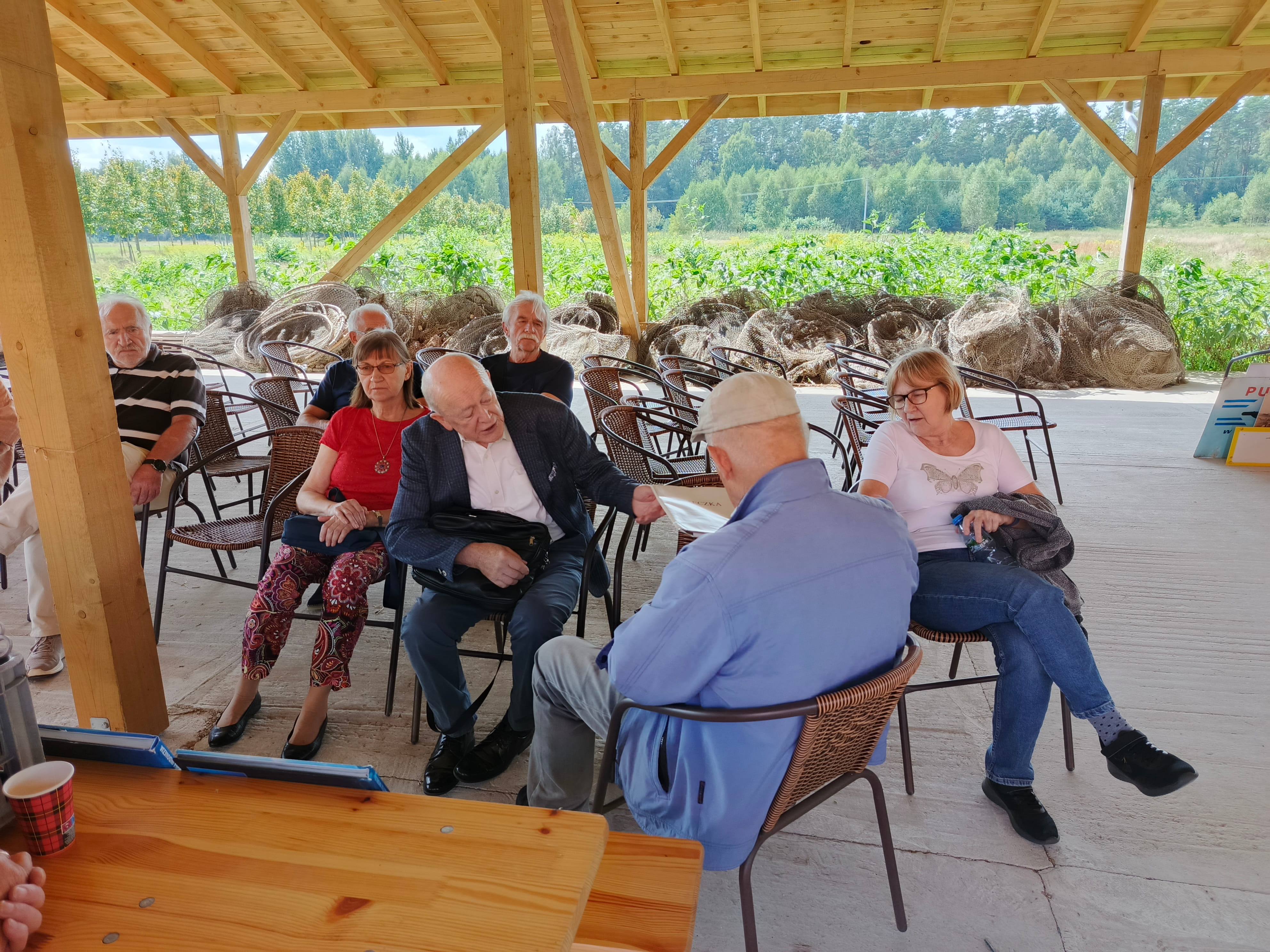
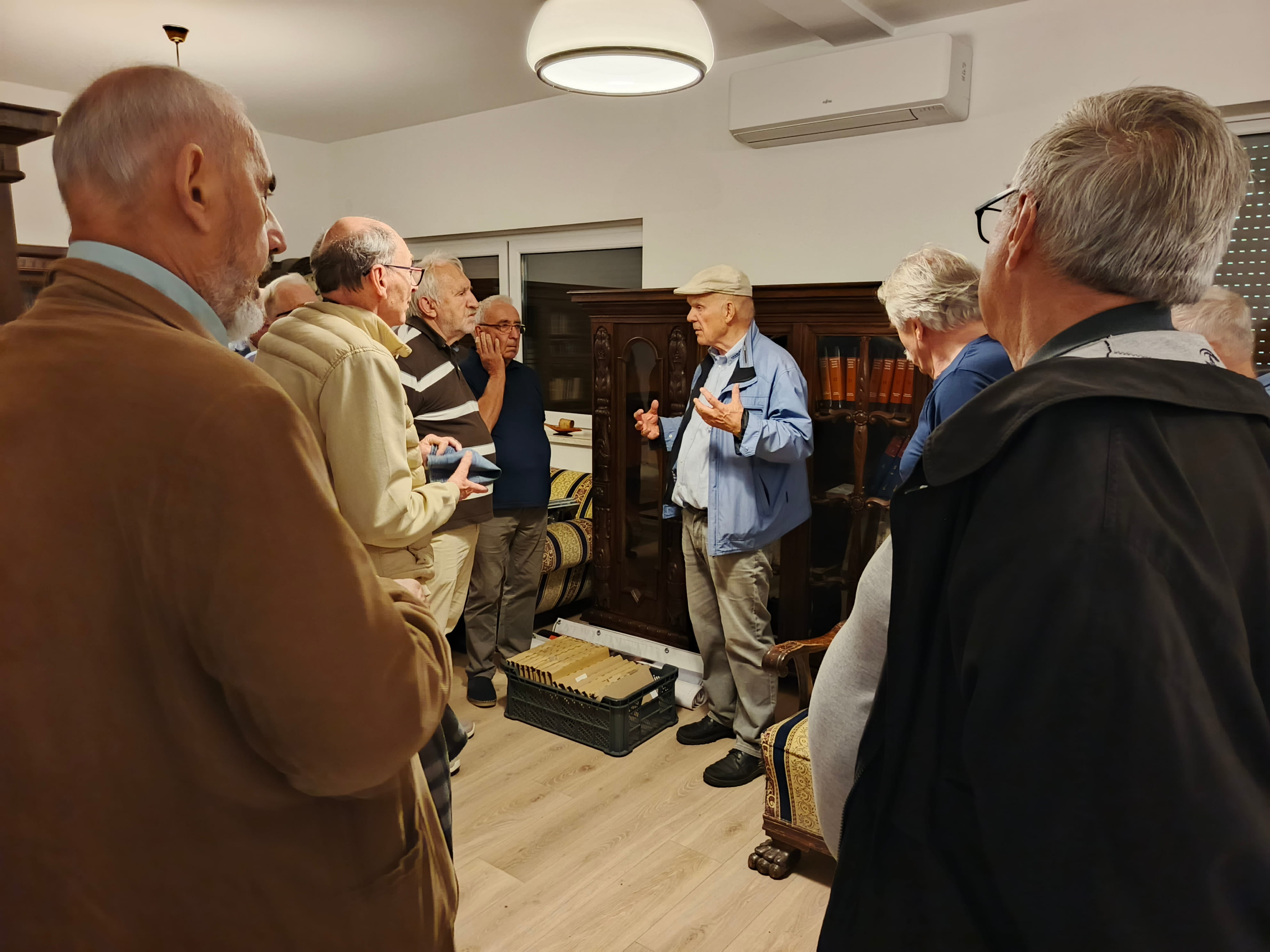
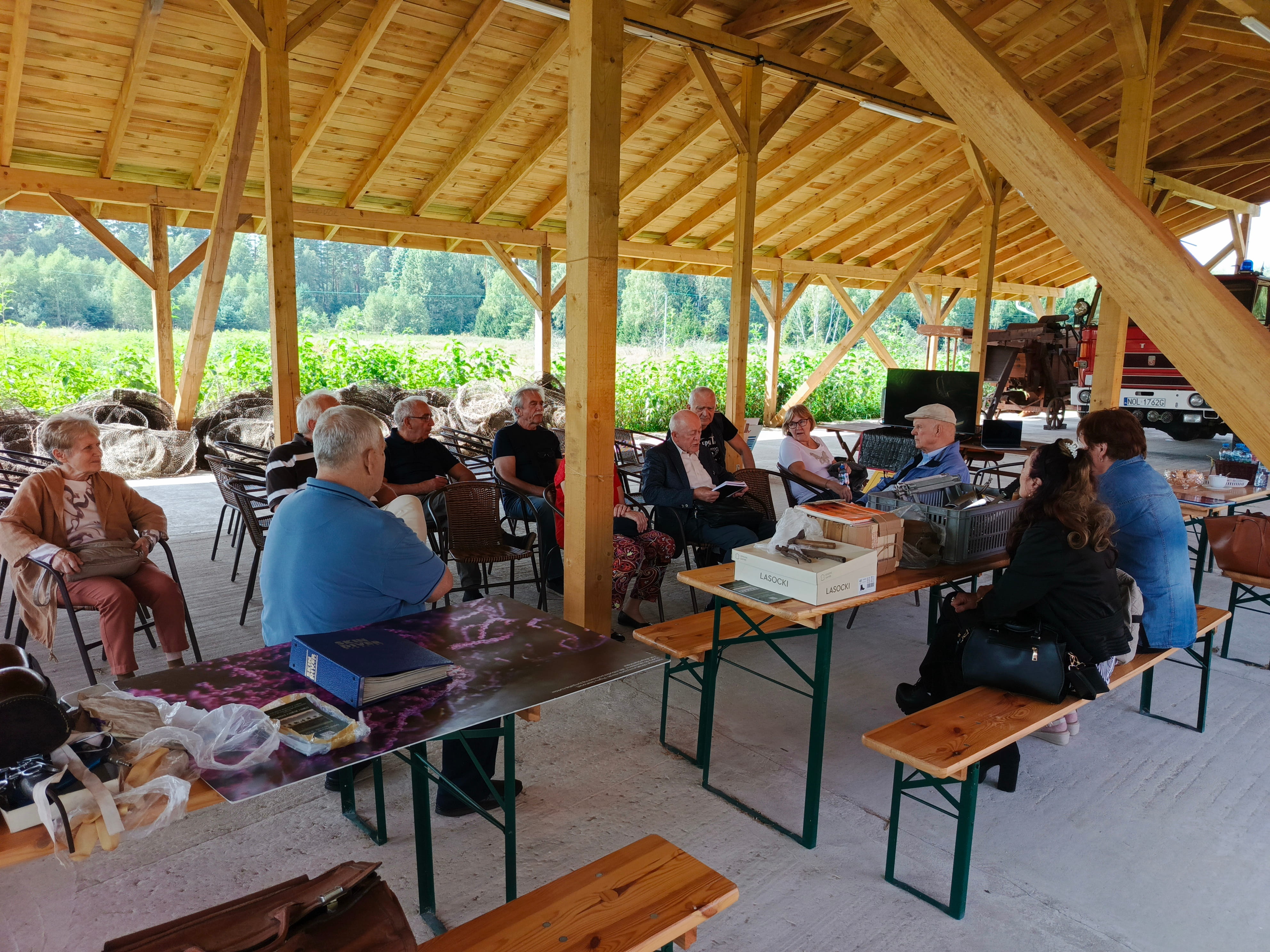
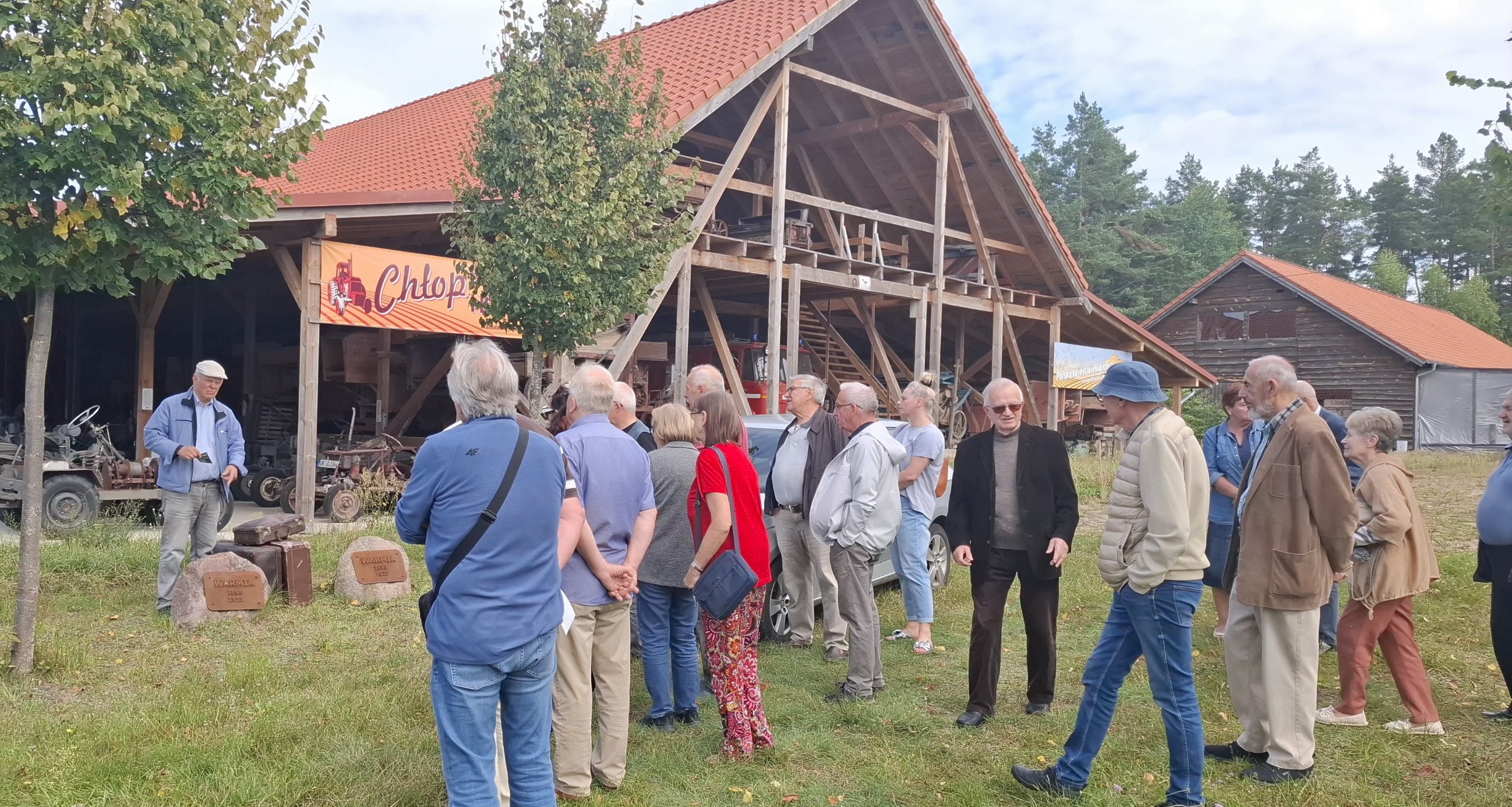
Wycieczka Koła Seniorów Warmińsko-Mazurskiej Izby Lekarsko-Weterynaryjnej

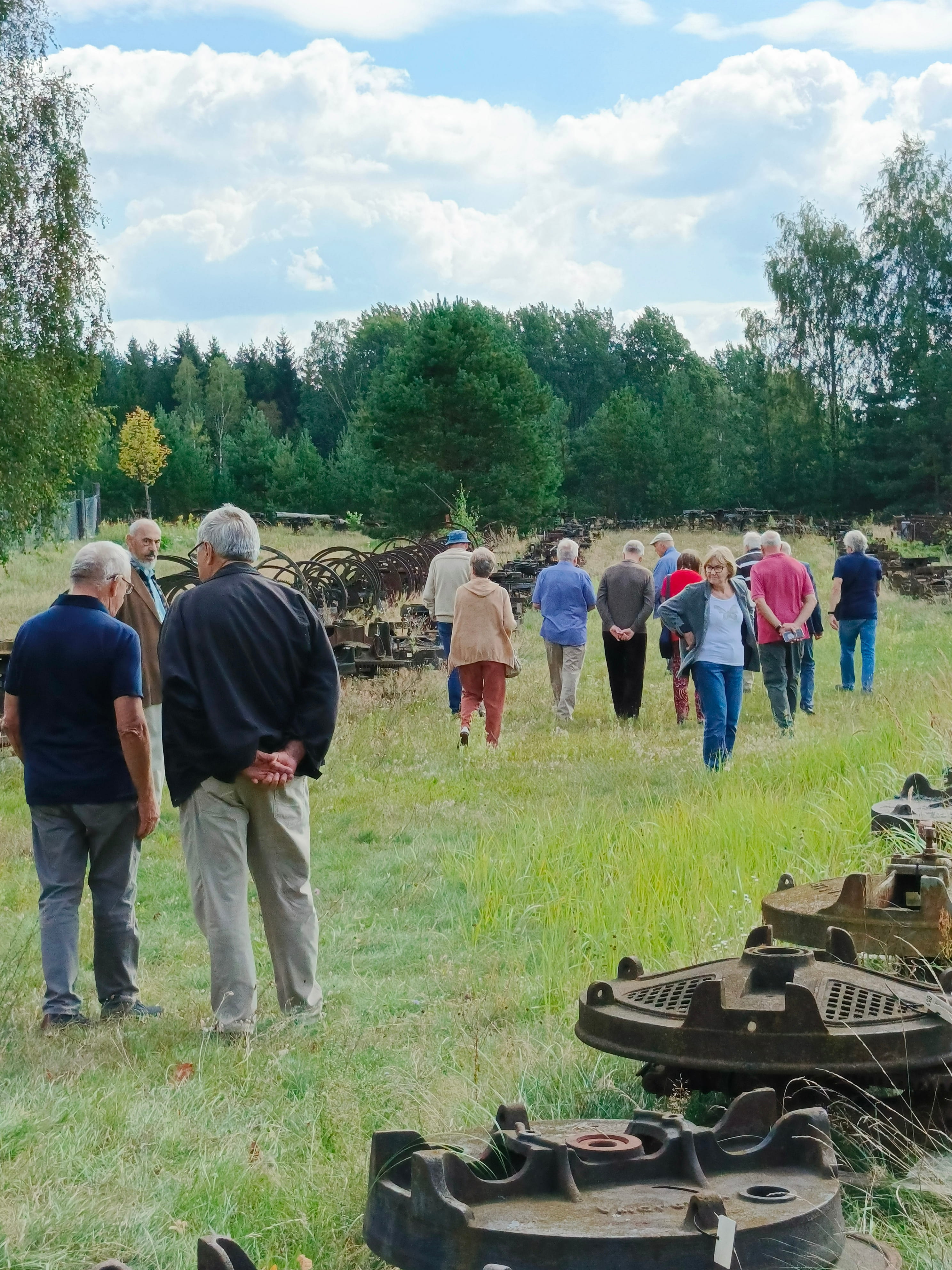
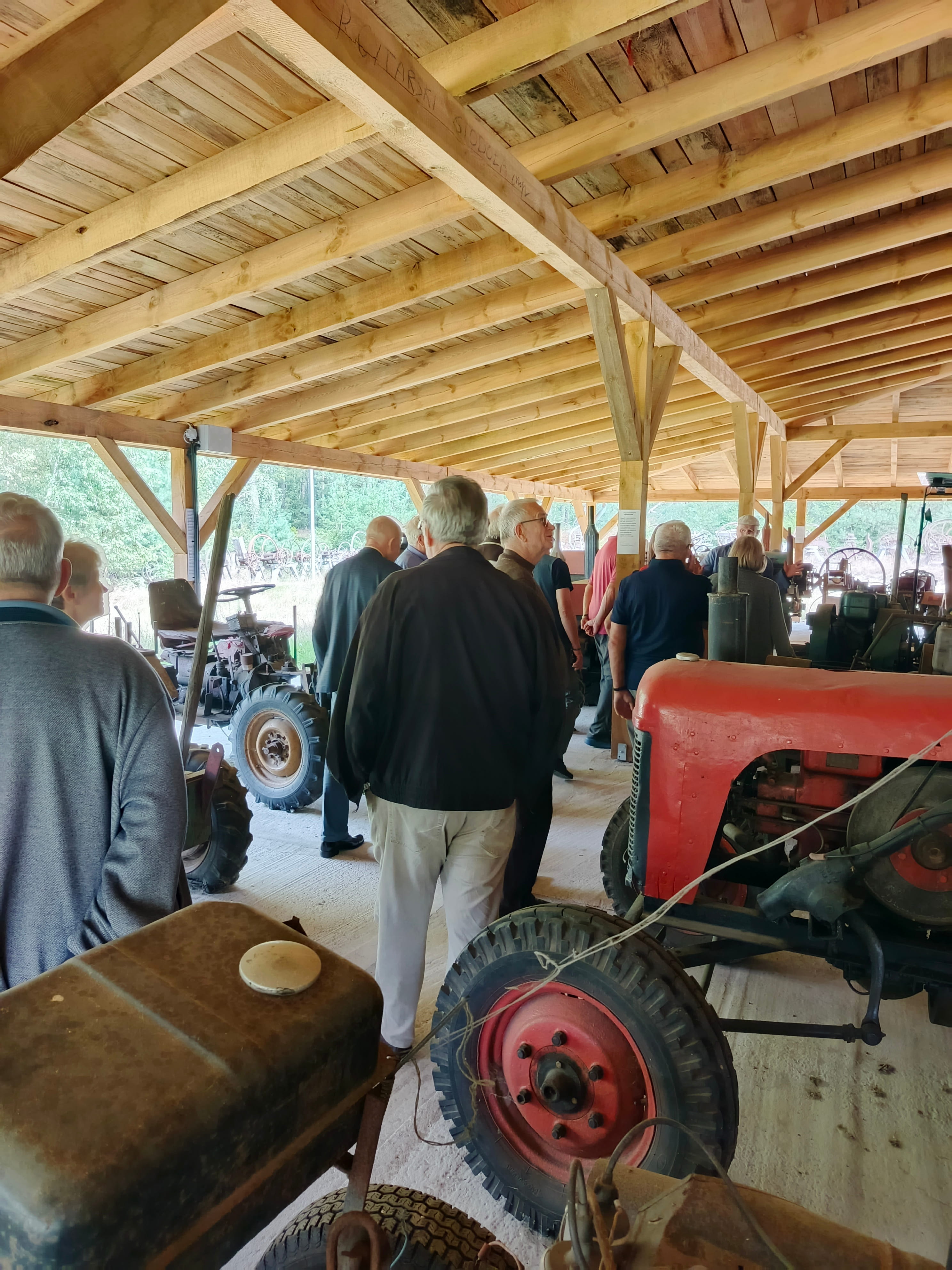
Serdecznie zapraszamy Członków Koła Seniorów na wspólną wycieczkę do wyjątkowego miejsca na mapie naszego regionu:

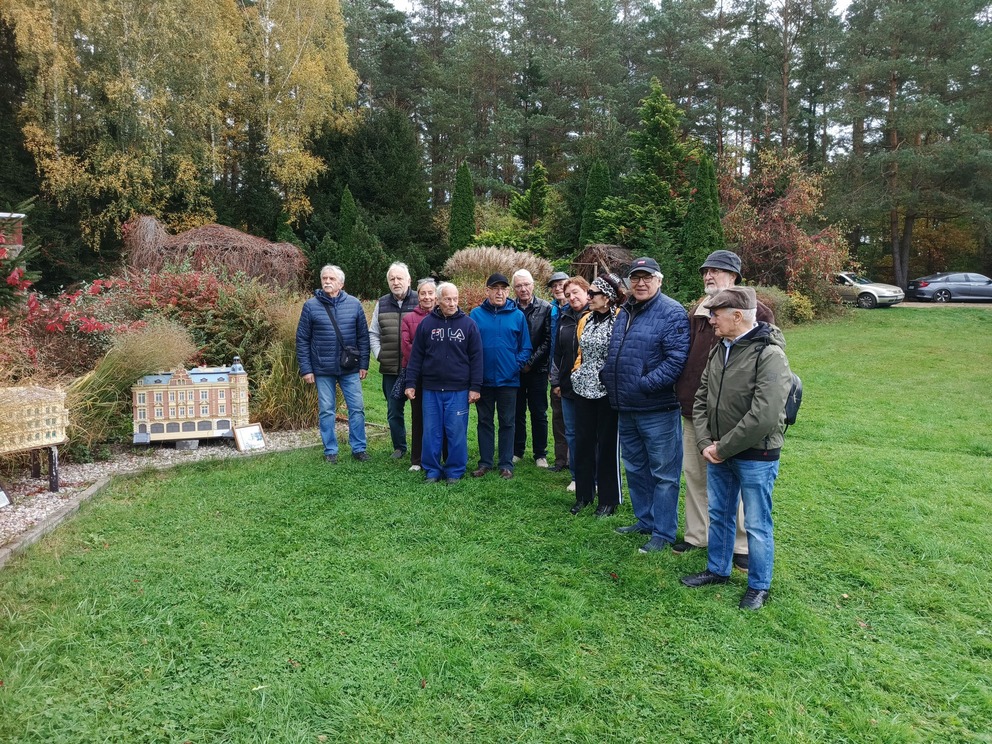
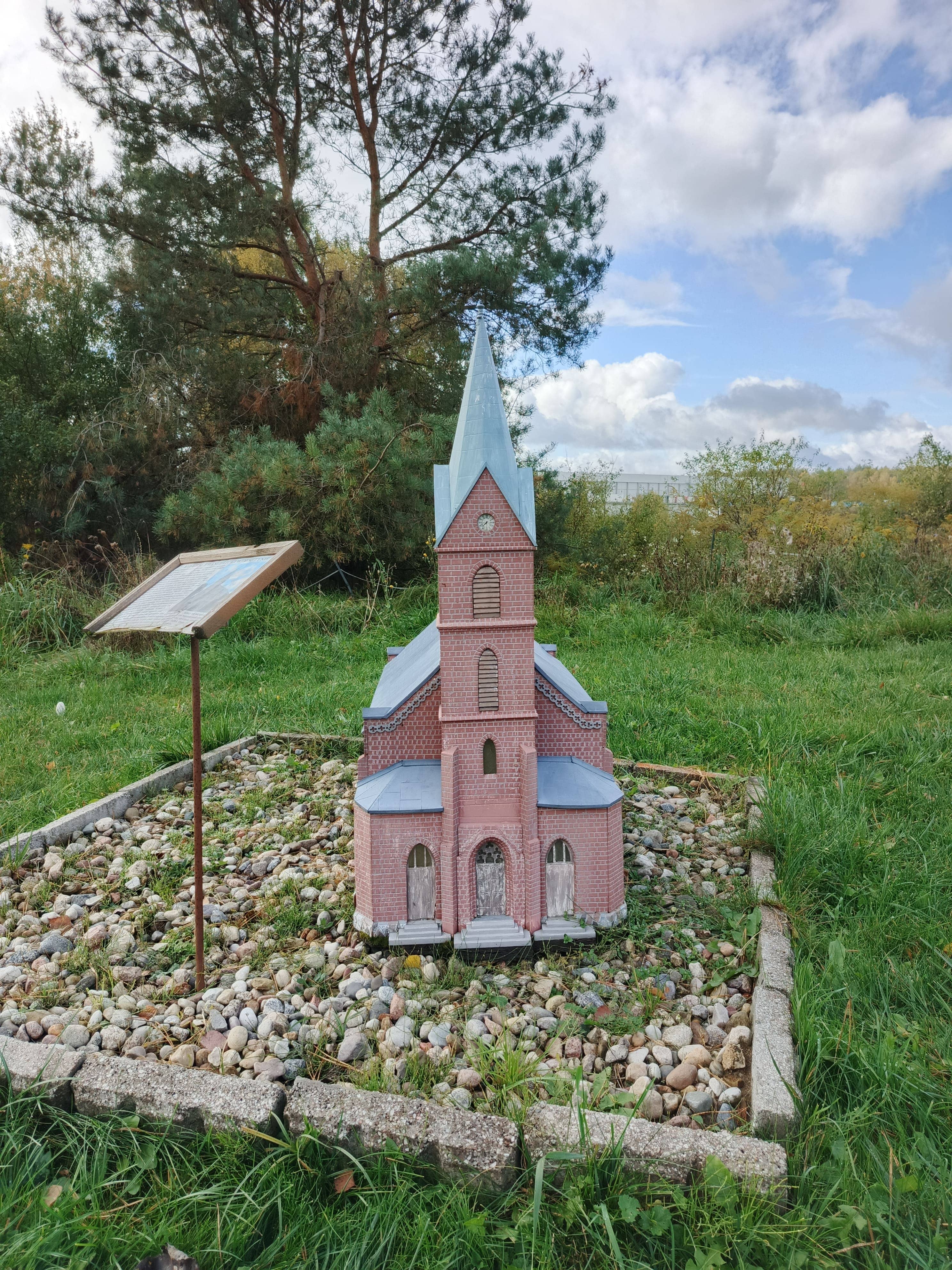
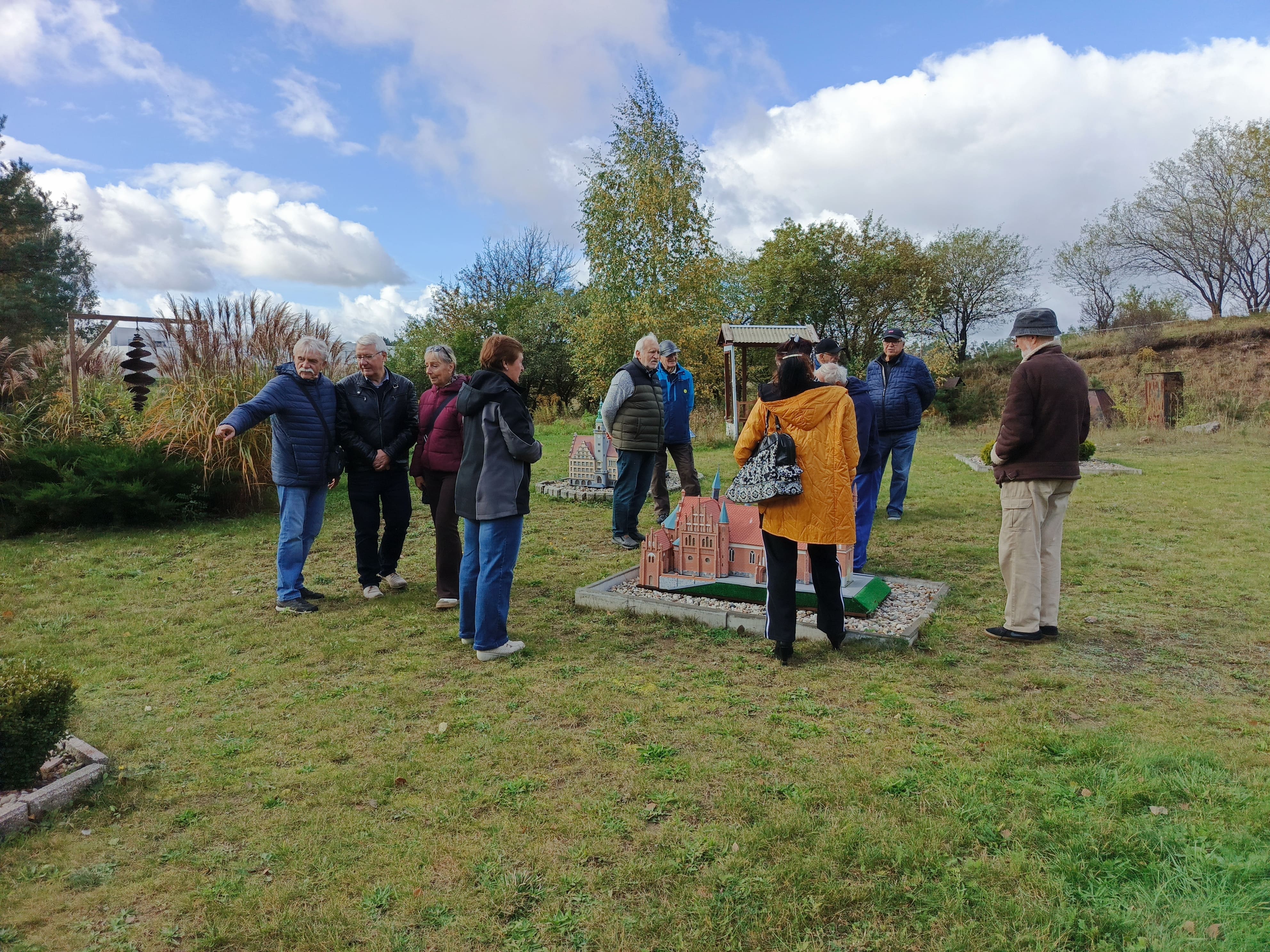
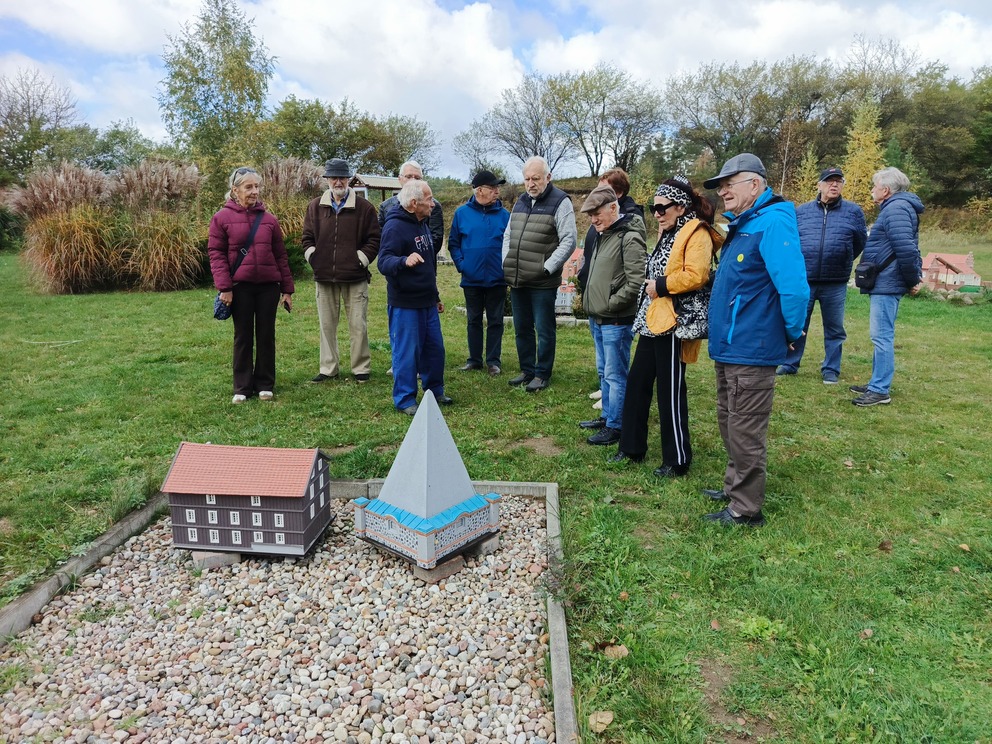
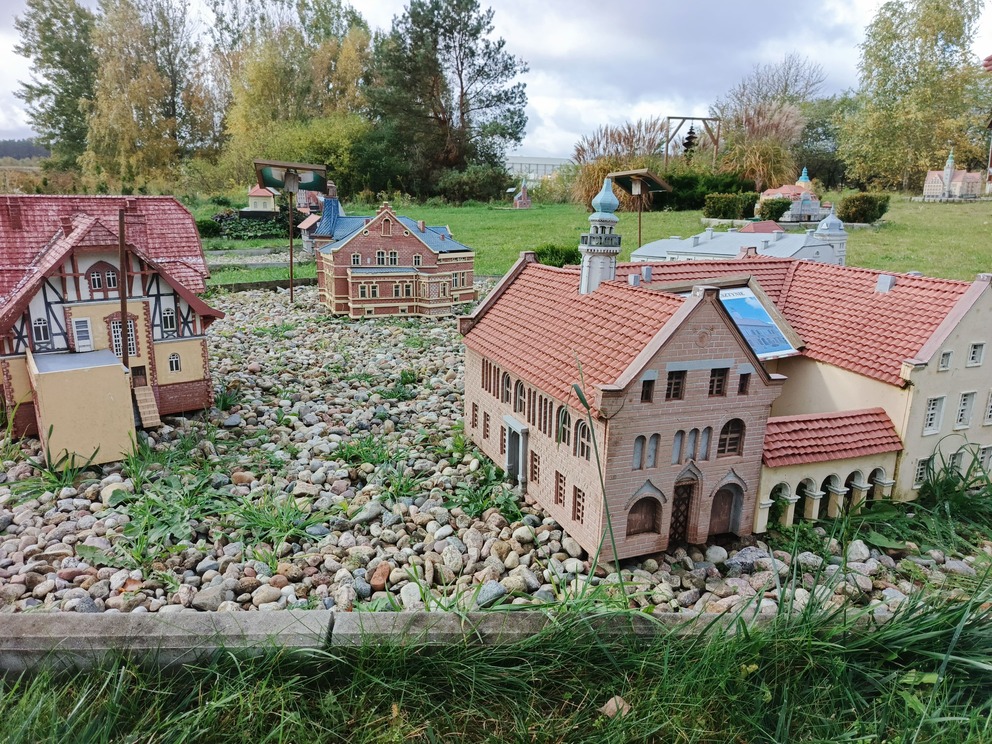
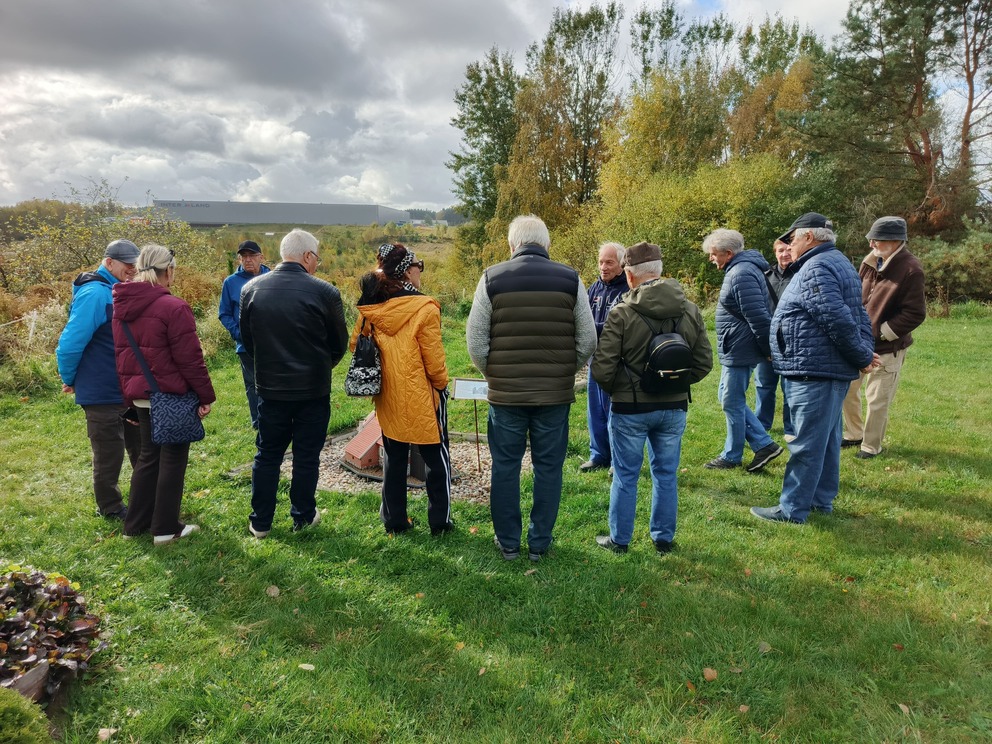
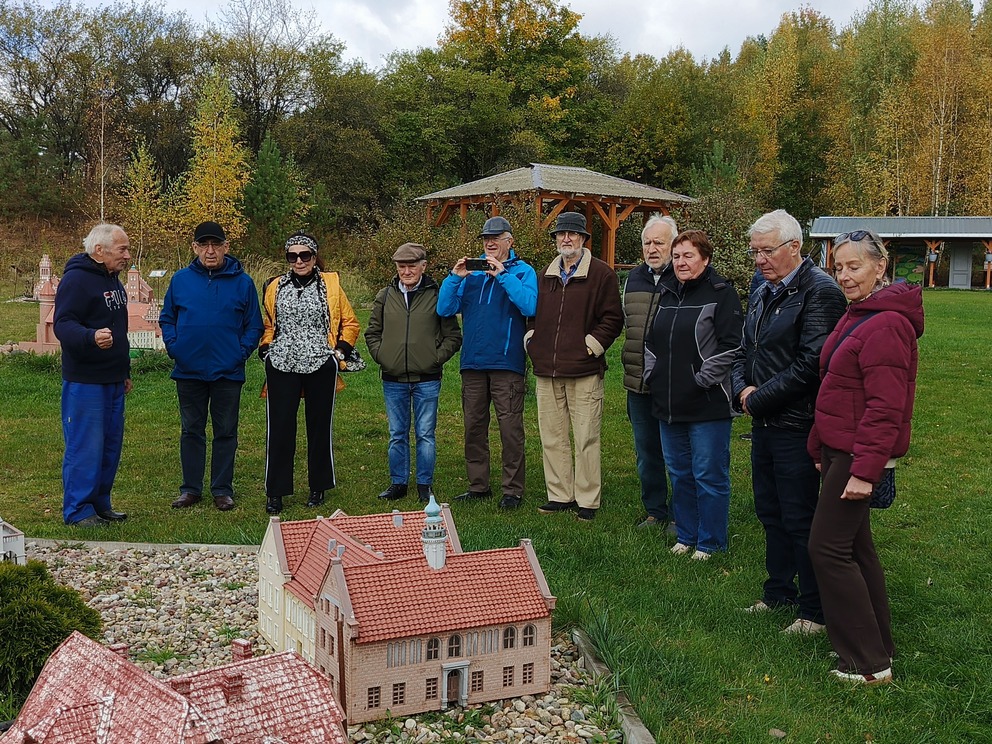
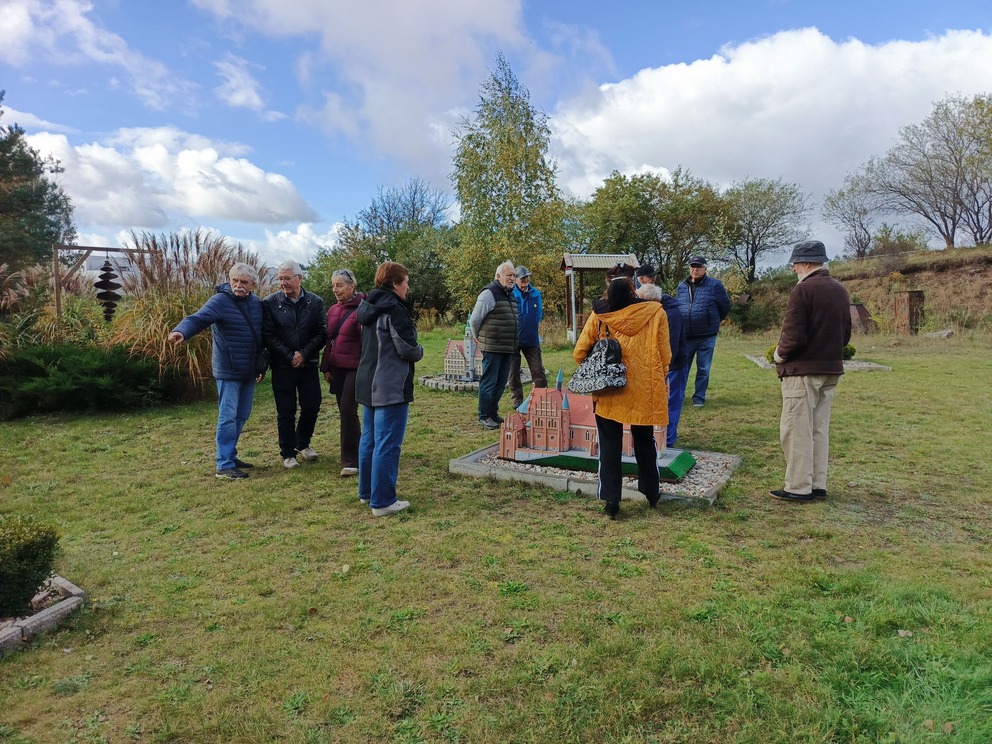
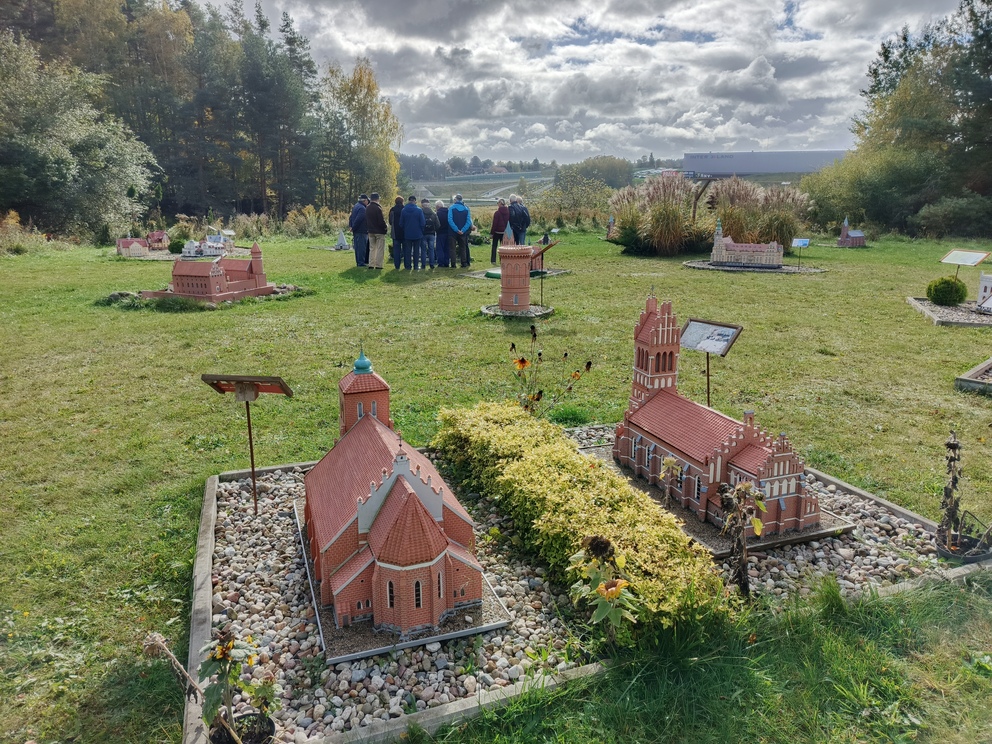
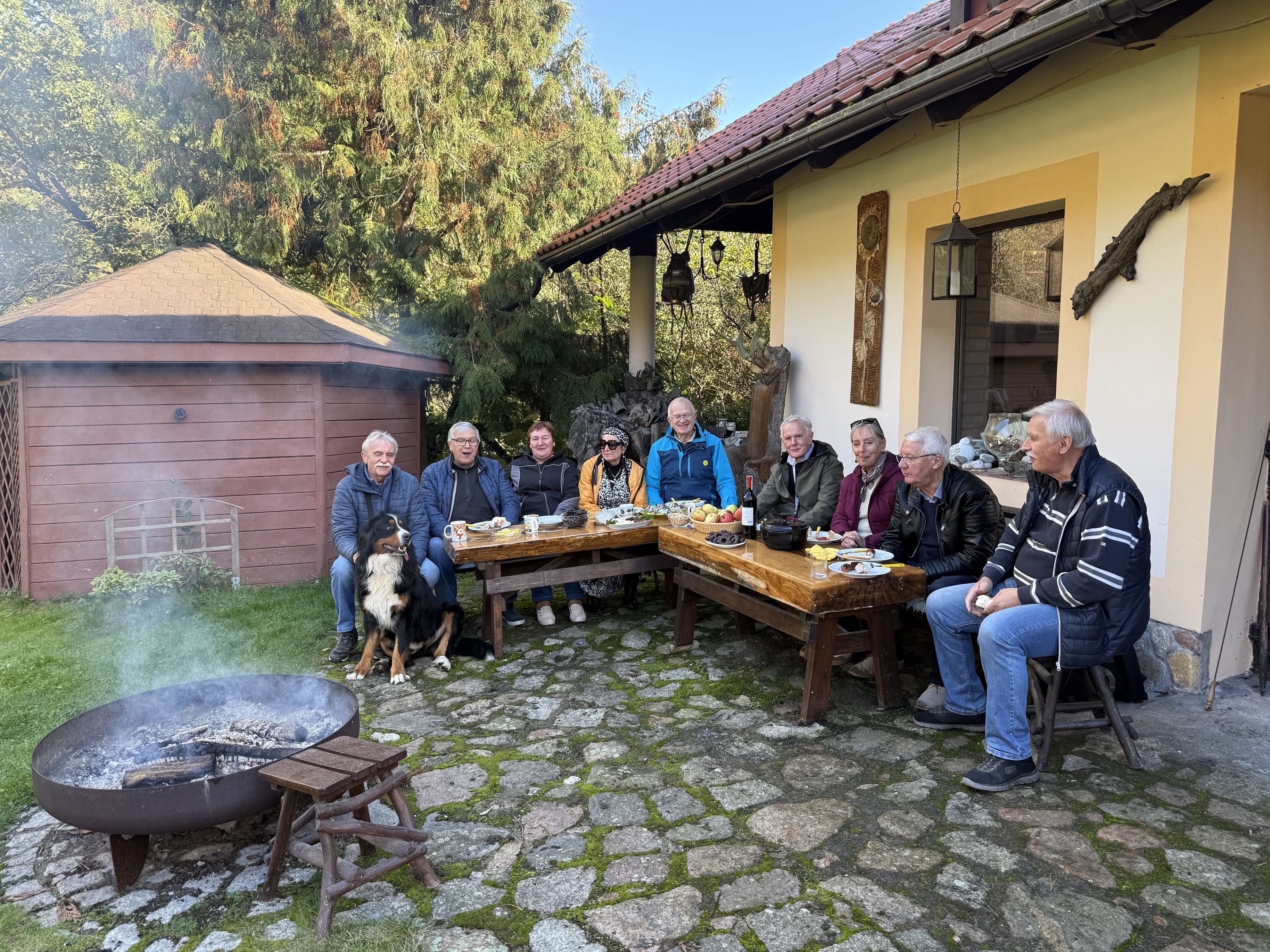
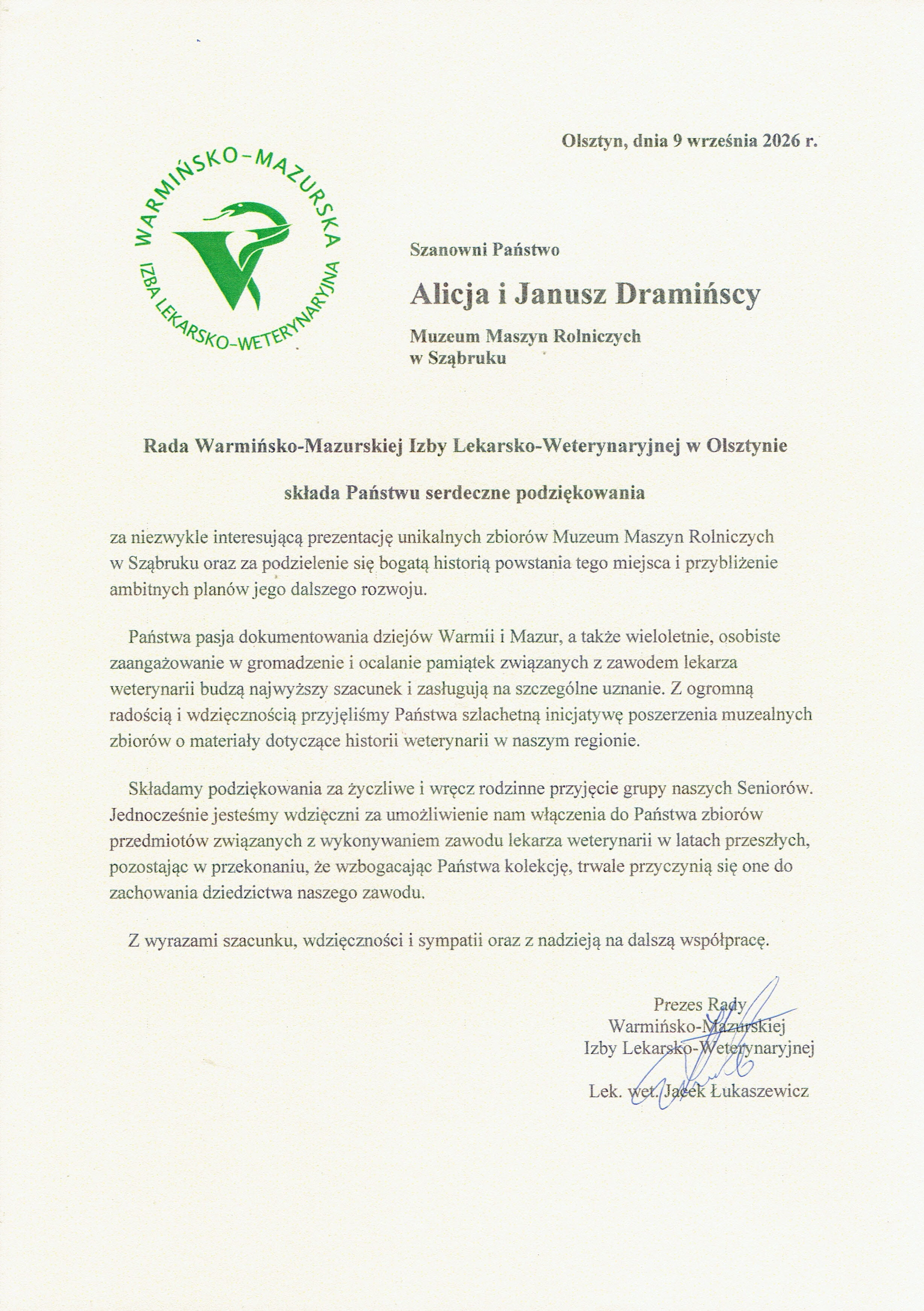
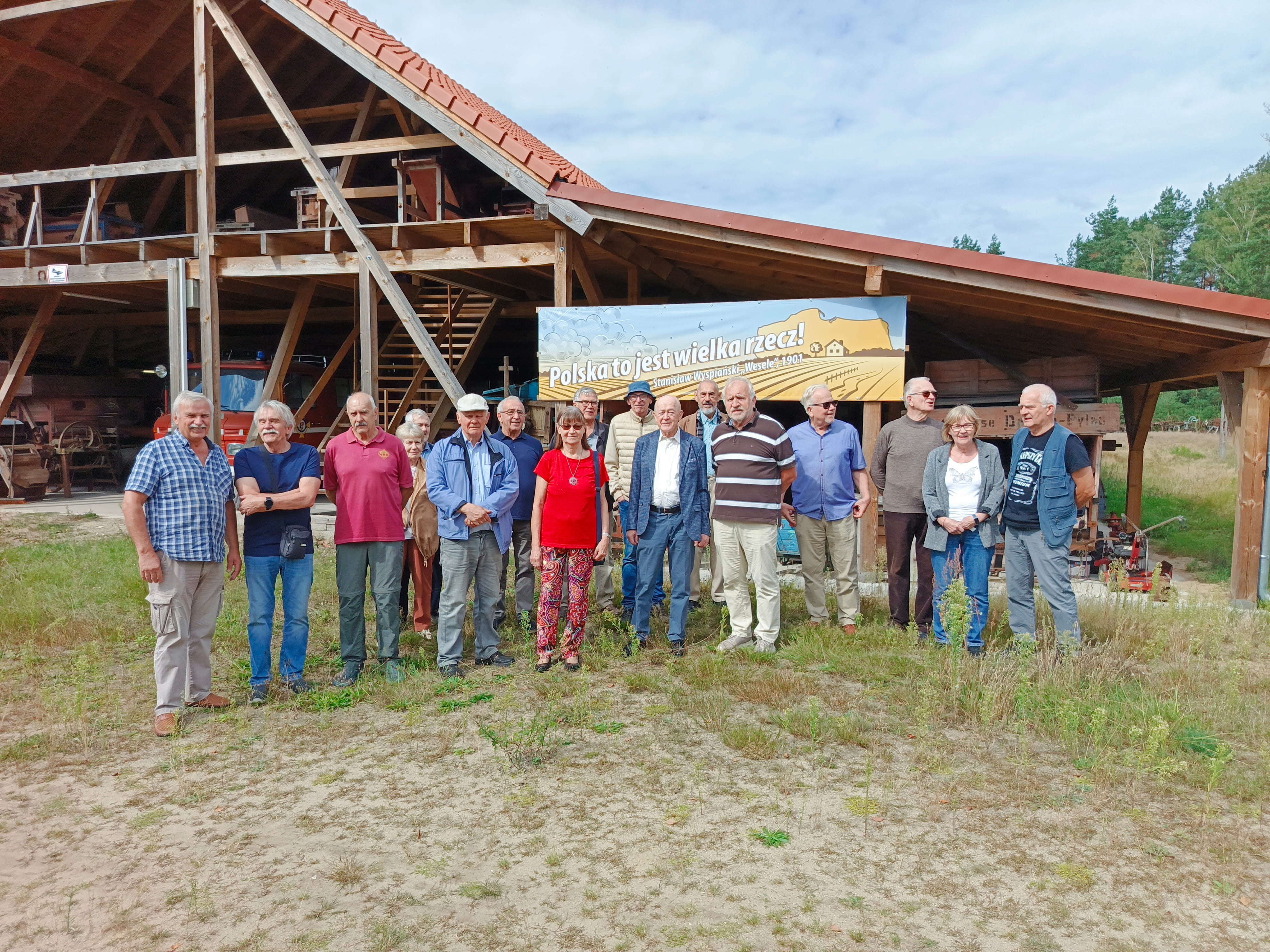
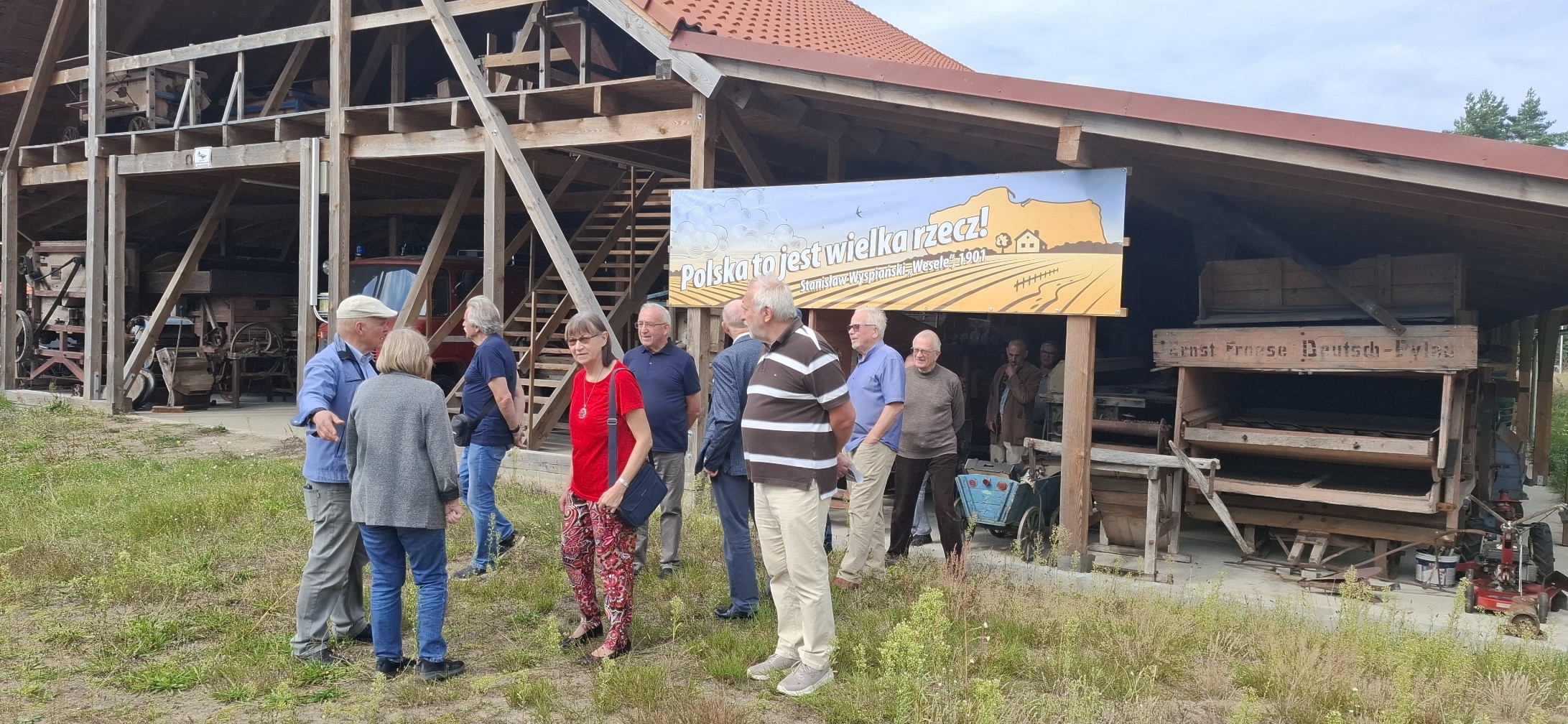
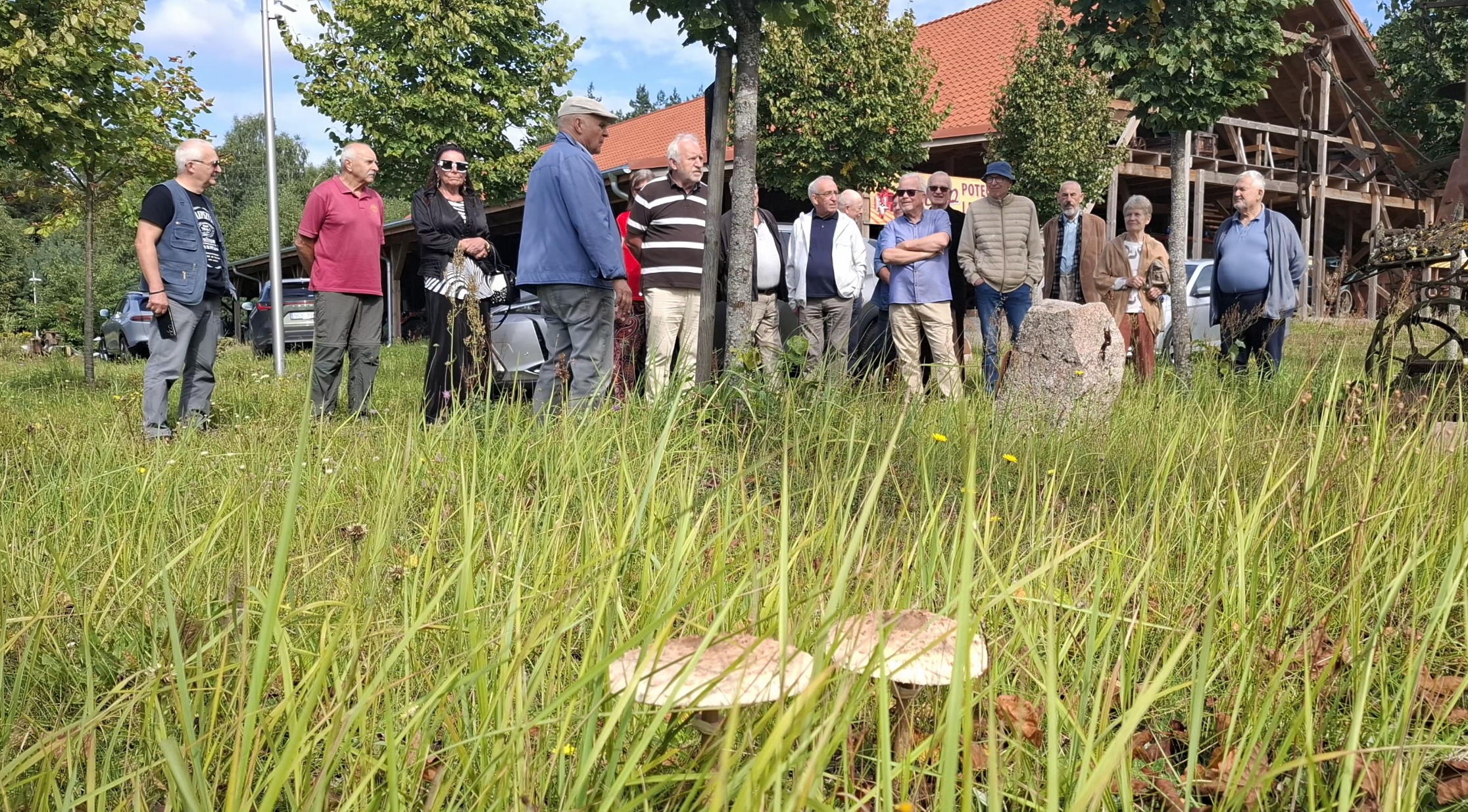
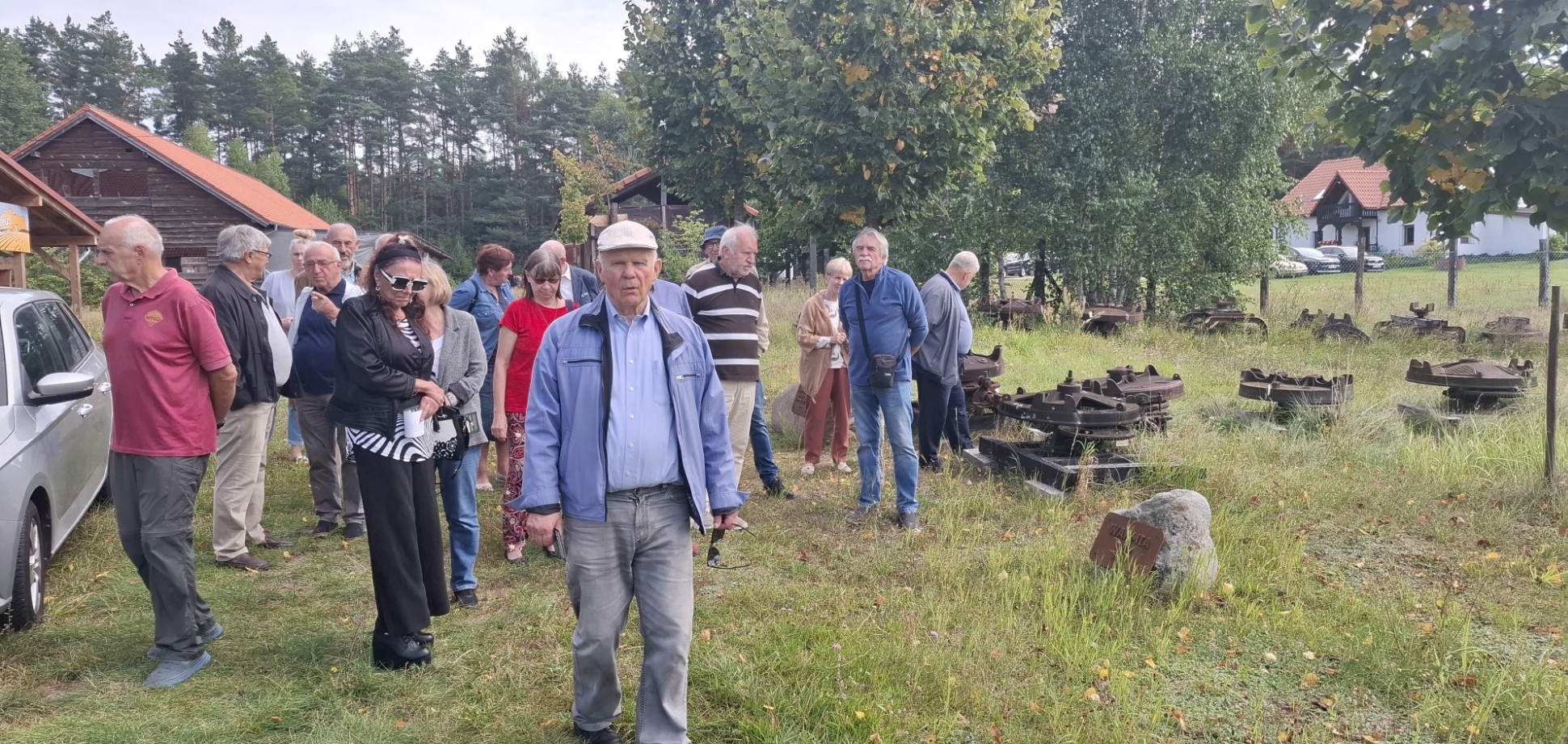
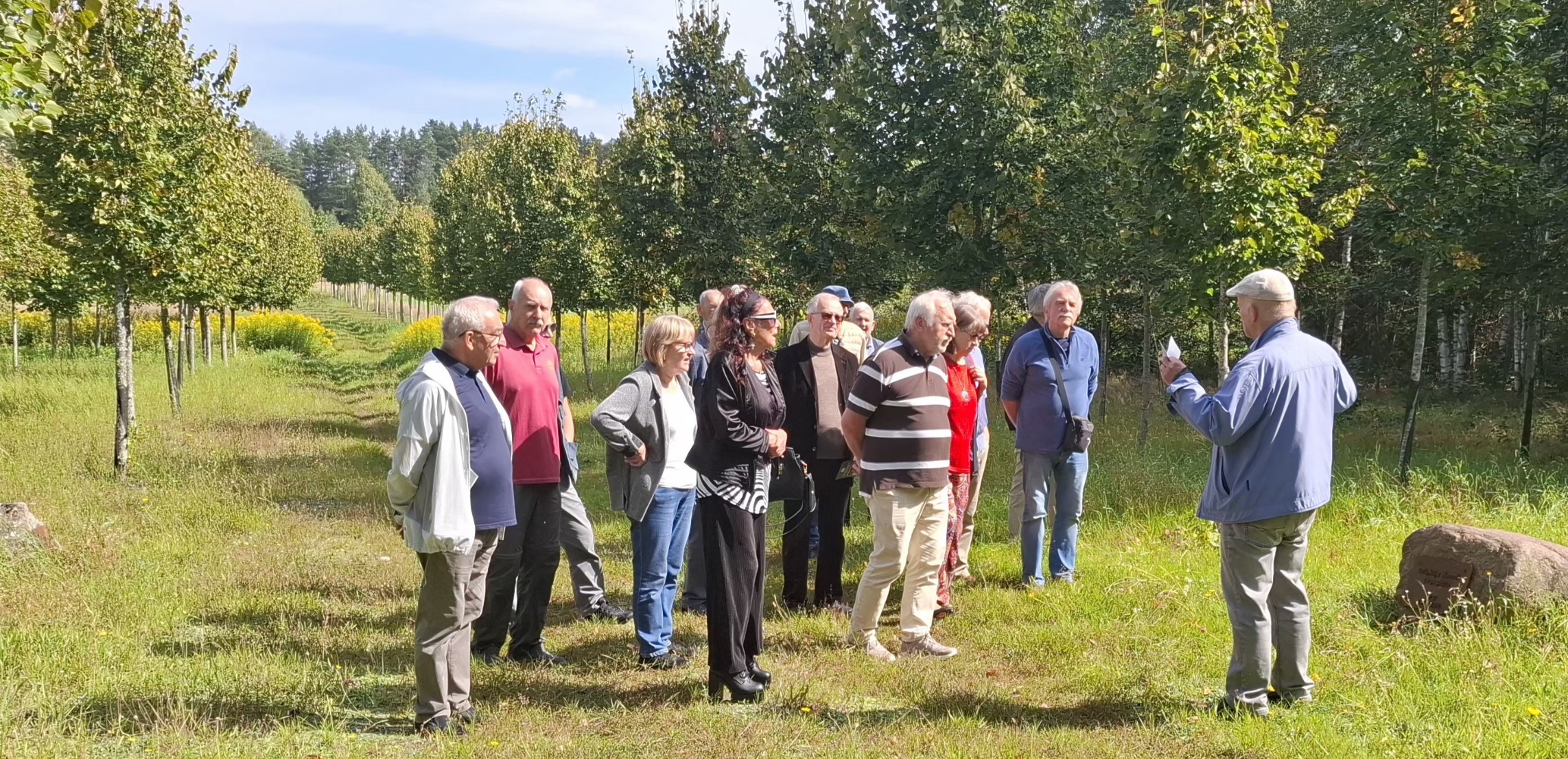
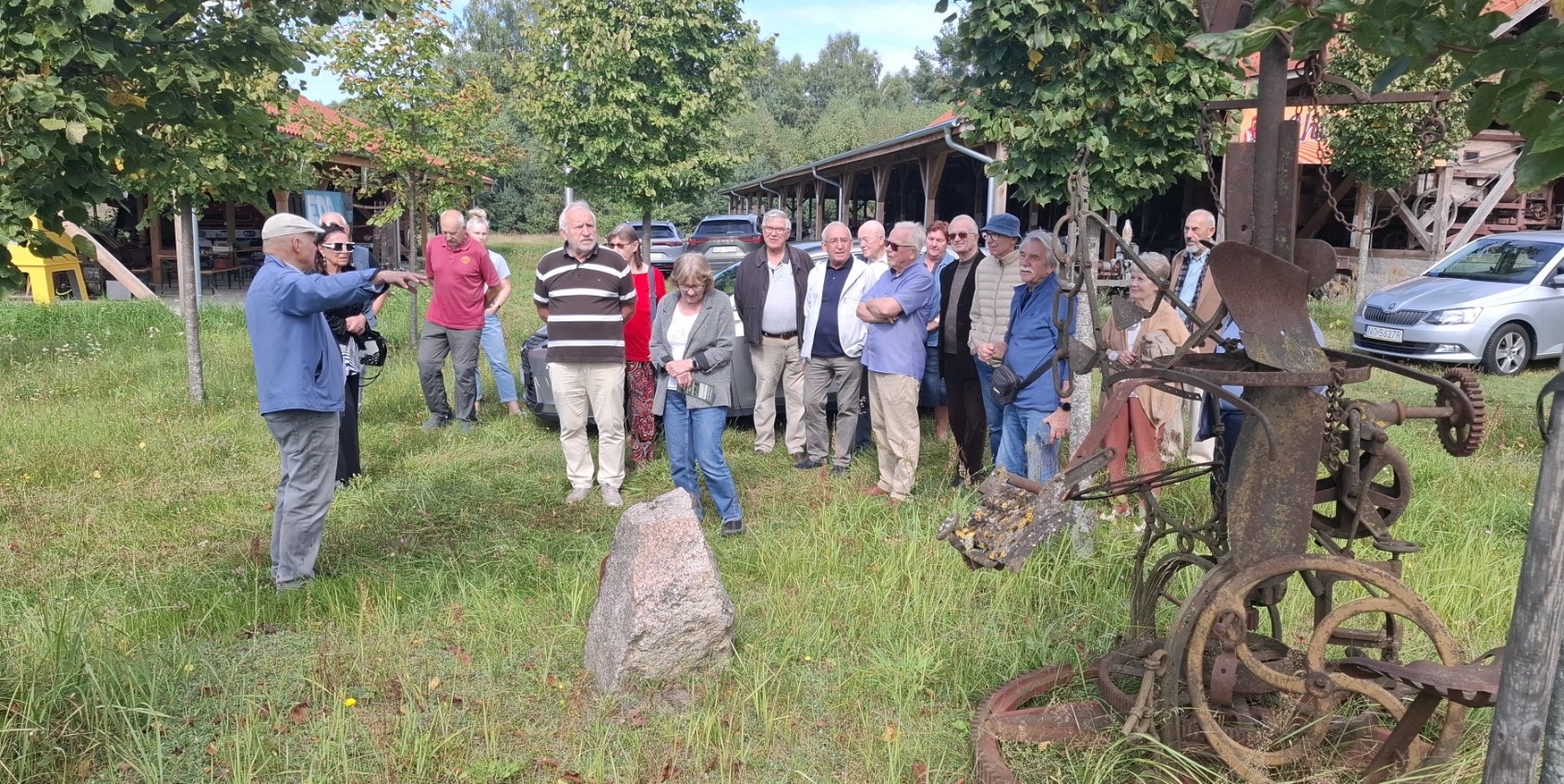
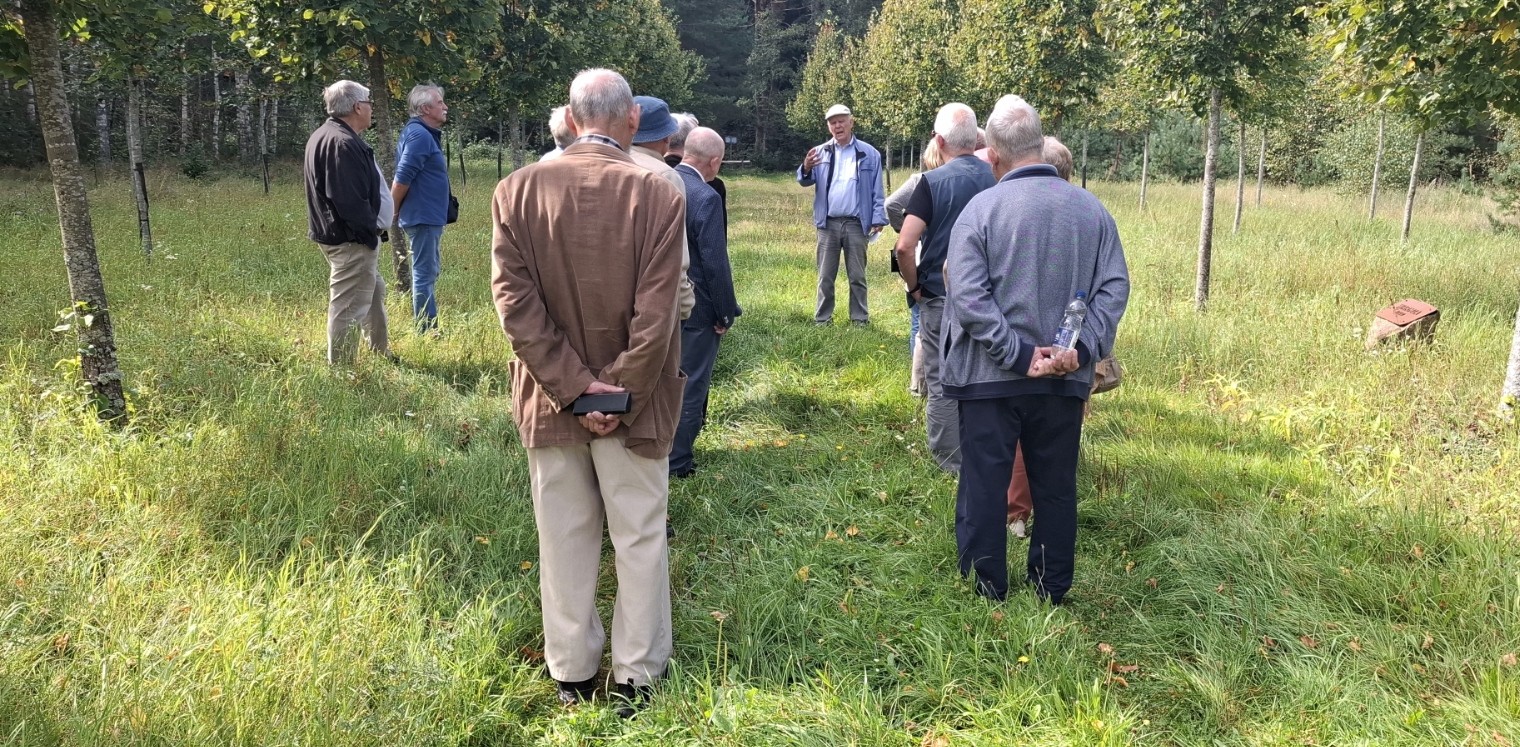
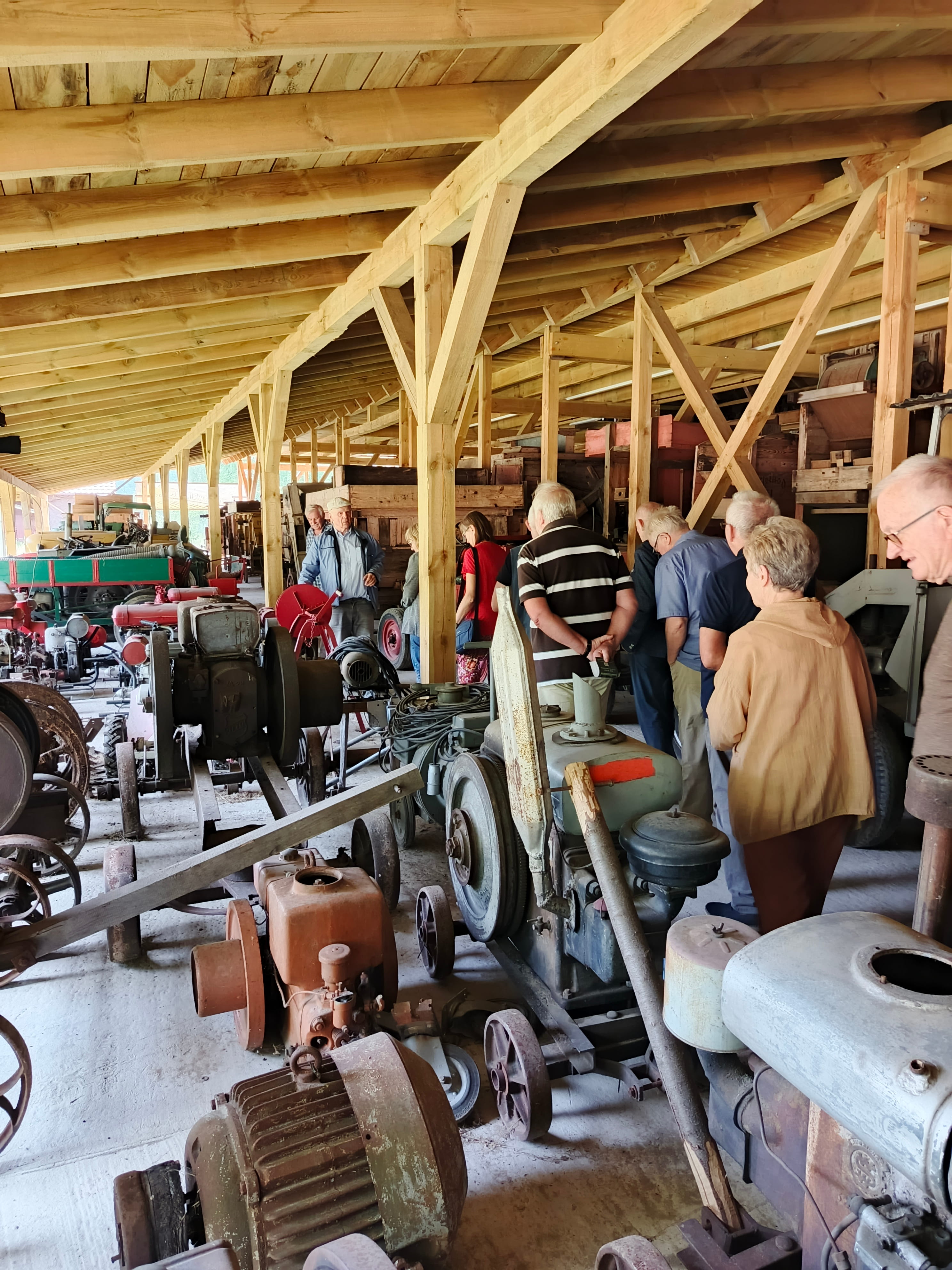
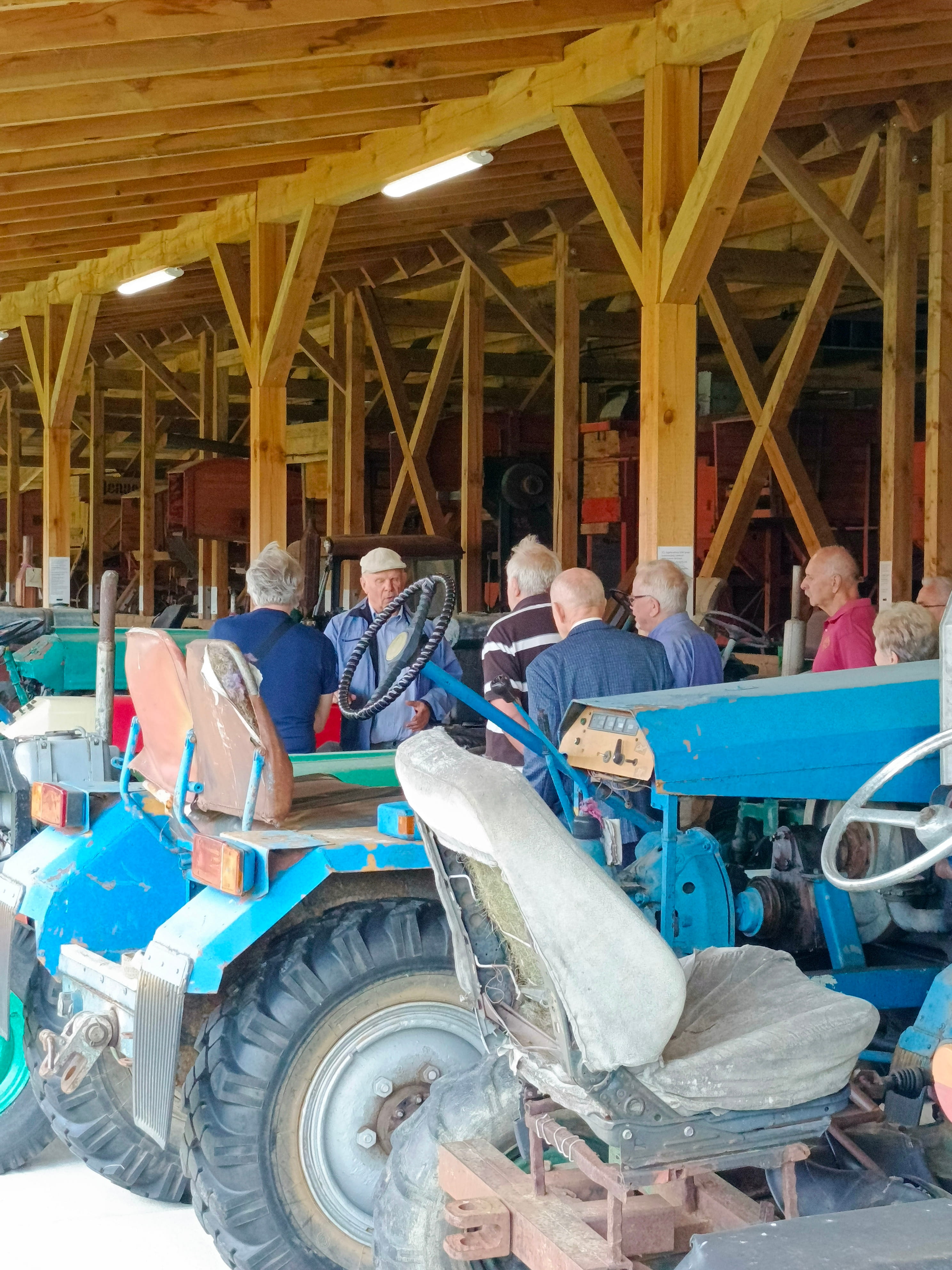
Miejsce: Dramiński Muzeum Maszyn Rolniczych w Sząbruku

Data: Czwartek, 3 września 2026 roku

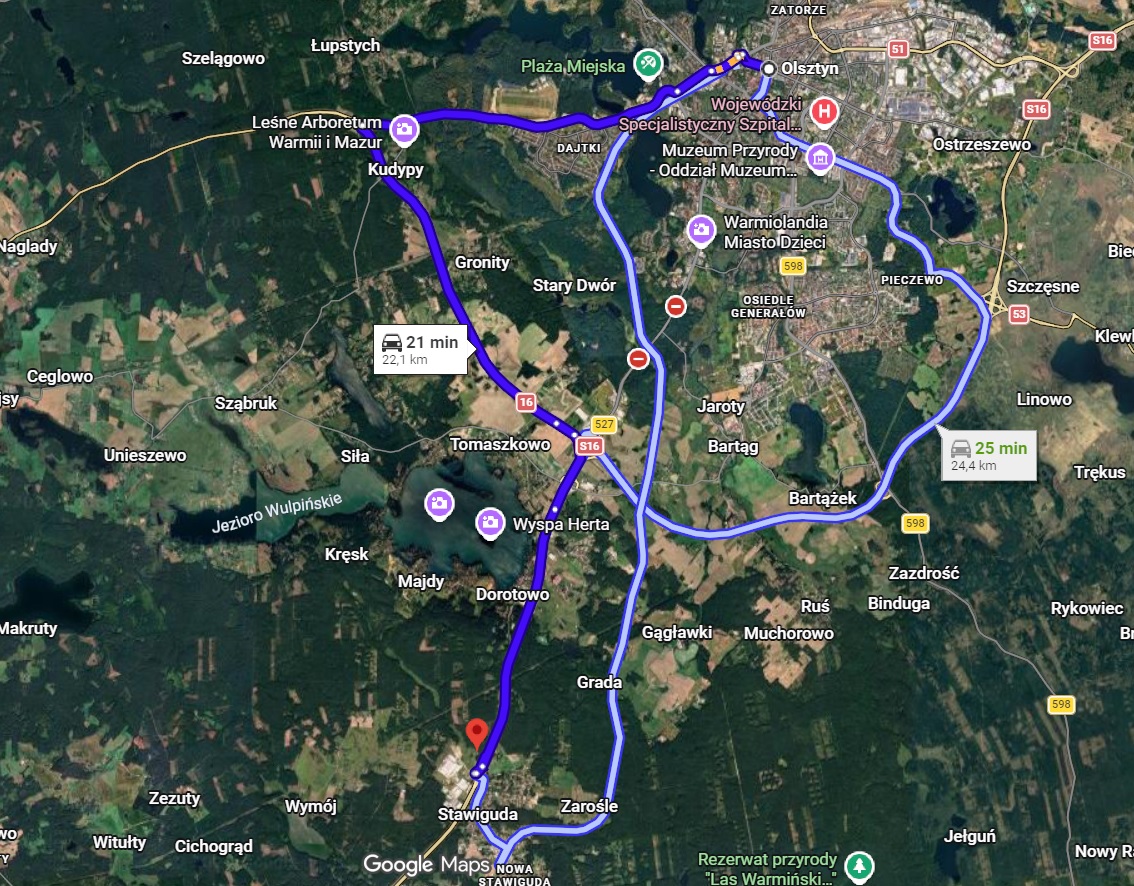
Godzina: 11:00 (dojazd we własnym zakresie, zbiórka bezpośrednio na miejscu) – mapka dojazdu znajduje się poniżej


Ze względów organizacyjnych wszystkie zainteresowane osoby prosimy o potwierdzenie obecności do 28 sierpnia 2026 roku (piątek). Zgłoszenia przyjmuje biuro Izby pod numerem telefonu: 89/524 01 88 lub mailem: izbaolwet@izbaolwet.pl

Zwracamy się również z gorącą prośbą do Państwa o przejrzenie swoich prywatnych archiwów. Jeśli posiadają Państwo pamiątki, dokumenty, narzędzia lub inne prywatne zasoby dotyczące weterynarii, które mogłyby wzbogacić ekspozycję muzeum, zachęcamy do ich przekazania. Wspólnie twórzmy historię naszego zawodu dla przyszłych pokoleń, tworząc Warmińsko-Mazurskie Muzeum Weterynaryjne w Sząbruku.

Do zobaczenia w Sząbruku!


Komitet Organizacyjny Koła Seniorów

Warmińsko-Mazurskiej Izby Lekarsko-Weterynaryjnej


Dramiński Muzeum Maszyn Rolniczych w Sząbruku

https://www.facebook.com/DraminskiMuzeumMaszynRolniczych/?locale=pl_PL

Ptasia Aleja 3, 11-036 Sząbruk


KLUB SENIORA

Tworzymy KLUB SENIORA

28 lipca 2026 r. (wtorek  o godz. 11.00)

w siedzibie Warmińsko-Mazurskiej Izby Lekarsko-Weterynaryjnej w Olsztynie, ul. Gietkowska 1/1 LU odbędzie się spotkanie inauguracyjne przyszłego KLUBU SENIORA

Wszystkich zainteresowanych tą inicjatywą serdecznie zapraszamy na spotkanie – wraz z dobrymi pomysłami.

A wcześniej  – ze względów organizacyjnych – bardzo prosimy o potwierdzenie obecności:

telefonicznie (tel. 89/ 524-01-88 ) lub e-mailowo: izbaolwet@izbaolwet.pl

Ochrona zwierząt towarzyszących w okresie letnim

ulotka informacyjno-edukacyjna w

Najbliższe posiedzenie Rady Lekarsko-Weterynaryjnej

Najbliższe posiedzenie Rady Lekarsko-Weterynaryjnej

Warmińsko-Mazurskiej Izby Lekarsko-Weterynaryjnej

odbędzie się 24 czerwca 2026 r. (środa)

Na posiedzeniu zostaną podjęte uchwały, stanowiące rozpatrzenie wniosków złożonych do Rady przez lekarzy weterynarii i podmioty uprawnione.

Wnioski do rozpatrzenia przez Radę wraz z kompletem wymaganych załączników prosimy składać w formie papierowej za pośrednictwem poczty lub osobiście, najlepiej po wcześniejszym kontakcie telefonicznym z biurem Izby (tel. 89/ 524-01-88), które czynne jest w dni powszednie od poniedziałku do piątku  w godz. 8.00 – 15.00.

Termin składania dokumentów – do 22 czerwca 2026 r.

UBEZPIECZENIE OC LEKARZY WETERYNARII

Pismo-informacja-o-ubezpieczeniu-strona-www-2026_page-0001-1-724x1024

XIX Mistrzostwa Polski Jachtów Kabinowych Lekarzy Weterynarii – relacja

W dniach 15–17 maja 2026 roku w porcie Klub Mila w Kamieniu nad malowniczym jeziorem Bełdany odbyły się XIX Mistrzostwa Polski Jachtów Kabinowych Lekarzy Weterynarii o Puchar Prezesa Krajowej Rady Lekarsko-Weterynaryjnej. To jedno z najbardziej wyczekiwanych wydarzeń integracyjnych środowiska weterynaryjnego w Polsce.

Zawody zgromadziły ponad 100 osób – lekarzy weterynarii oraz załogę zaprzyjaźnionej Warmińsko-Mazurskiej Izby Lekarskiej, tworząc wyjątkową atmosferę rywalizacji i koleżeńskiej integracji.

Wyniki:

🏆 Miejsce I – załoga pod komendą Kajetana Krupy z Warmińsko-Mazurskiej Izby Lekarskiej!

🥈 Miejsce II – załoga ze sternikiem Maciejem Kalinowskim – gratulacje!

🥉 Miejsce III – załoga ze sternikiem Wojciechem Zakrzewskim – gratulacje!

⛵ Memoriał dr Kurta Obitza wygrała reprezentująca Wipasz SA załoga pod komendą Wojciecha Chomika – brawo !

Organizatorzy i sponsorzy

Wydarzenie zostało zorganizowane przez Warmińsko-Mazurską Izbę Lekarsko-Weterynaryjną przy współpracy Krajowej Izby Lekarsko-Weterynaryjnej.

Sponsor strategiczny: Wipasz SA

Sponsorzy: Polwet, Vet-Agro

Serdecznie dziękujemy za wsparcie!

Składamy serdeczne gratulacje i podziękowania organizatorom za wzorowe przygotowanie imprezy. Wspaniała żeglarska rywalizacja, świetna zabawa i integracja środowiska – to najlepsze, co sport może zaoferować.

Do zobaczenia za rok!

Bal w Zamku w Rynie z okazji 35-lecia Samorządu – dla wszystkich Członków Samorządu

Kto unowocześni naszą stronę internetową?

Kto unowocześni naszą stronę internetową?

Niniejszą wiadomość adresujemy do potencjalnych wykonawców nowej strony internetowej Warmińsko-Mazurskiej Izby Lekarsko-Weterynaryjnej i transferu danych z dotychczasowej.

Celem przebudowy strony jest jej unowocześnienie pod względem informatycznym oraz uatrakcyjnienie (zmiana layautu).

Zaznaczamy, że strona internetowa nie może służyć:

  • reklamowaniu naszej działalności, ponieważ jako samorząd zawodowy zawodu zaufania publicznego zostaliśmy powołani na podstawie  ustawy z dnia 21 grudnia 1990 r. o zawodzie lekarza weterynarii i izbach lekarsko-weterynaryjnych (t.j. Dz. U. z 2026 r. poz. 125) i realizujemy zadania, w tym publiczne ściśle określone w przepisach,
  • pozyskiwaniu klientów, ponieważ takich nie mamy i nie prowadzimy działalności gospodarczej.

Zadaniem  naszej strony internetowej jest natomiast:

  • sprawne przekazywanie informacji członkom naszego samorządu tj. lekarzom weterynarii,
  • pomoc w rozwiązywaniu problemów dotyczących wykonywania zawodu lekarza weterynarii,
  • utrzymywanie stałego kontaktu z członkami Izby,
  • informacja dla wszystkich, którzy są zainteresowani zakresem naszego działania lub chcą sprawdzić dostępne dane u źródła.

Na oferty (składane elektronicznie) zawierające:

  • zakres proponowanych zmian i oczekiwanych wyników,
  • cenę,

czekamy do dnia  22 maja 2026 r.  pod adresem: izbaolwet@izbaolwet.pl.

Po wstępnej analizie ofert przewidujemy dalsze szczegółowe negocjacje z  autorem/autorami wybranych ofert.